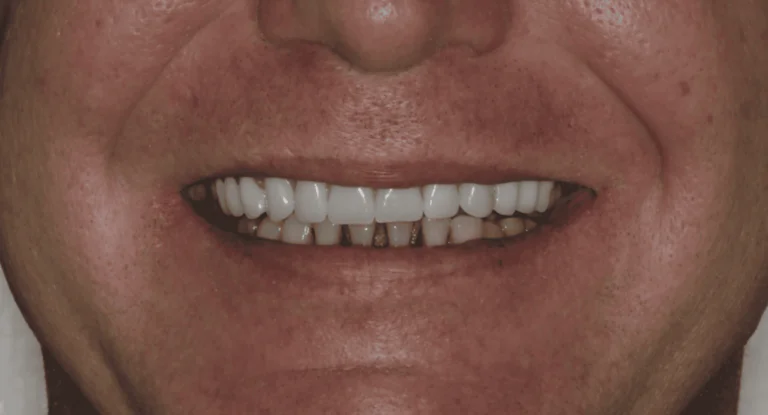
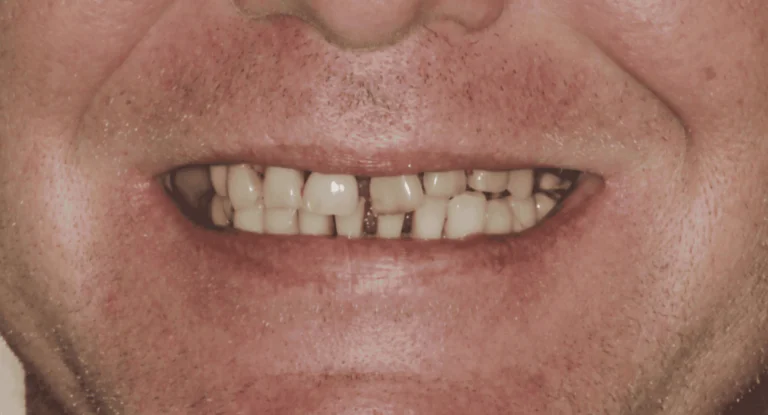
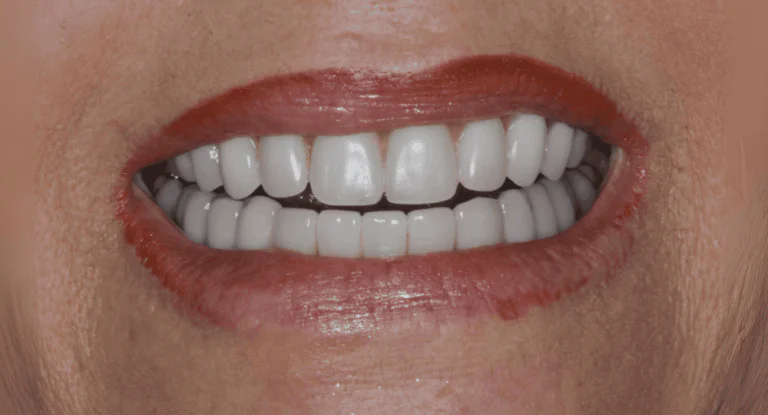
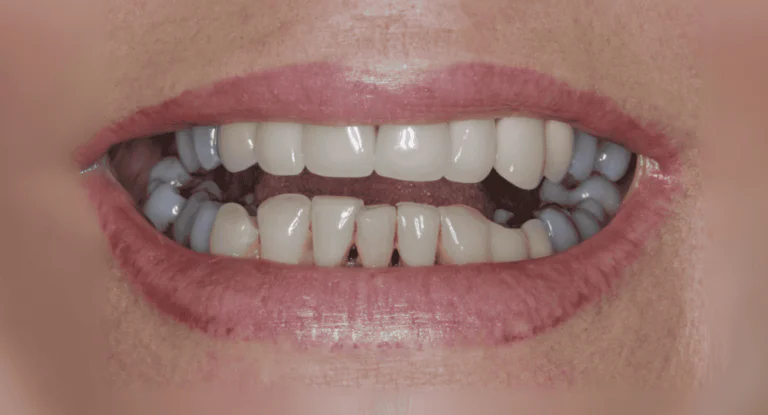
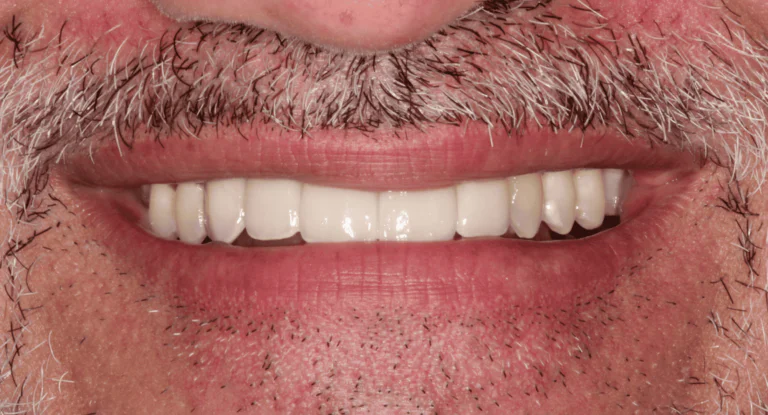
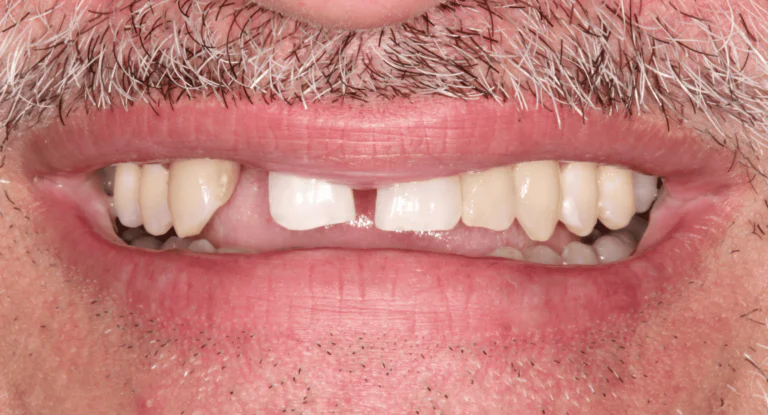
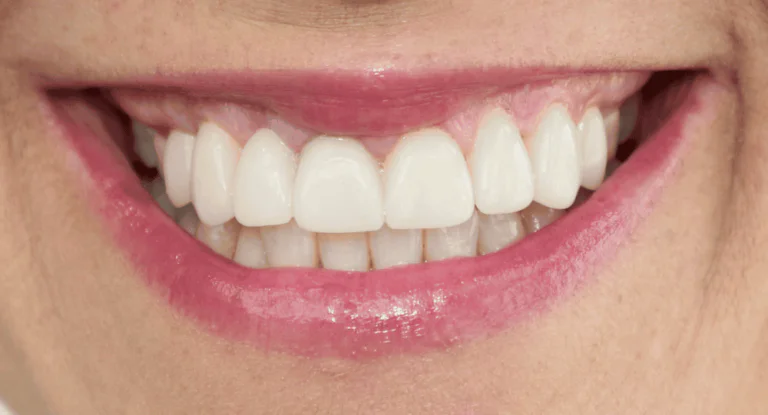
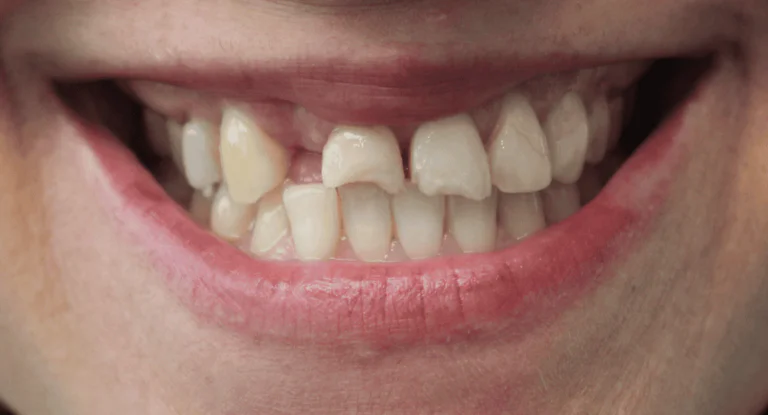
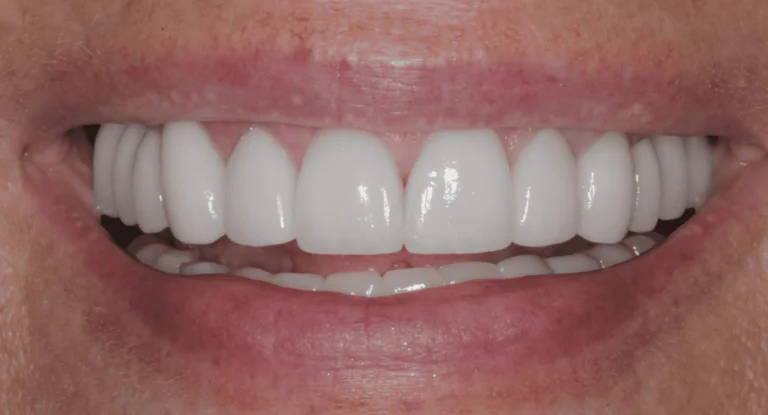
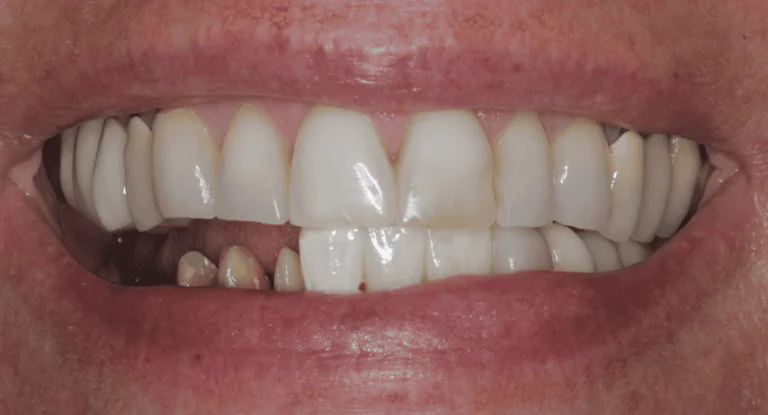
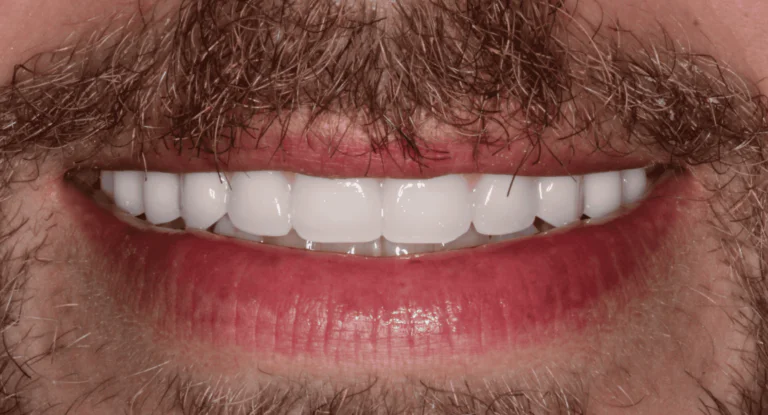
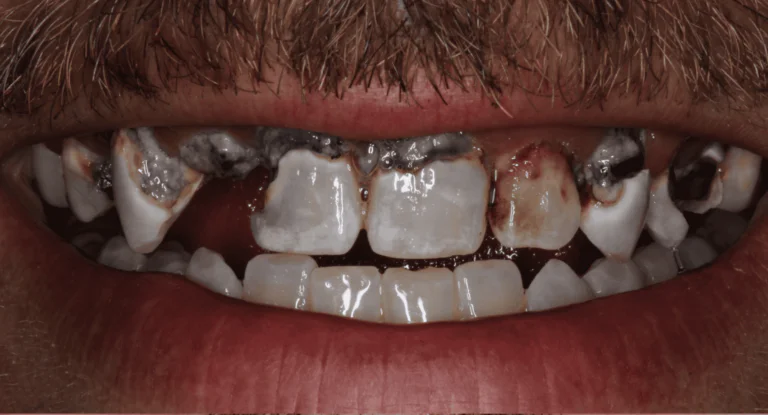
Dental implants are taking the dentist world by storm because of their effectiveness and less time of application. However, they do tend to fail at times, and there are quite a few reasons behind that. A dentist would typically describe these failures in the short term or long term. Dentists often use osseointegration as one of the most common short-term failures.
It involves the bone not being able to heal properly. Many reasons can be the cause of the bone not healing properly. These include smoking by the patient, an overall low bone density of the patient, or simply uncontrolled diabetes, which can be due to genetics or external factors. Poor overall oral hygiene is also a primary cause of these problems. Gum disease is yet another reason that may render an implant useless.
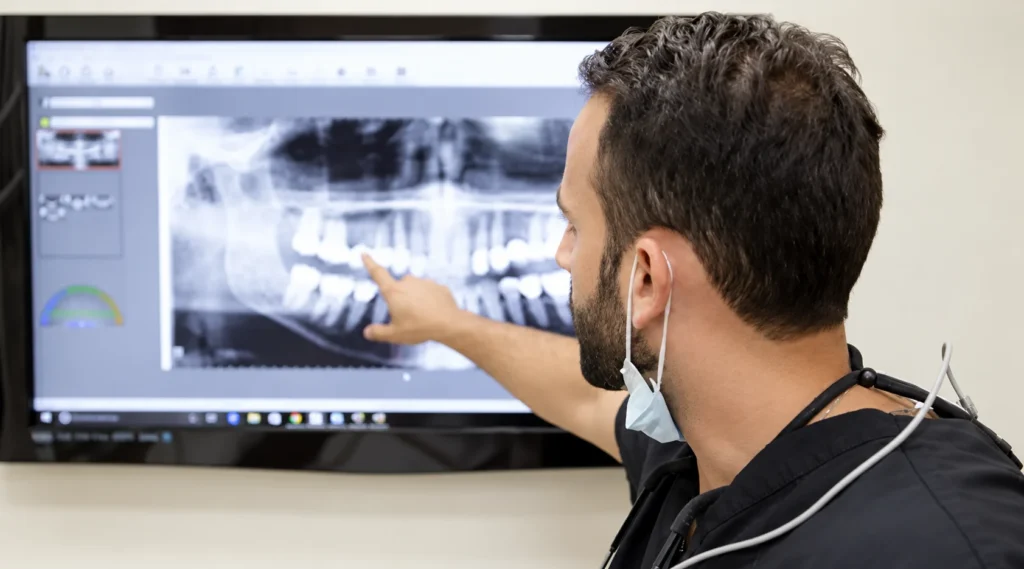
There are a lot of symptoms that can give hints about imminent dental implant failure. These typically include pain or the dental implant slowly moving around within the space it was fixed in. If you feel a dental implant is coming loose, consult your dentist immediately. Bleeding from the area of the implant is another sign that it has failed to settle in properly. Detailed analysis through X-rays can tell if the dental implant has failed. However, these symptoms after an implant are usually definite signs that the implant has failed.
These can be categorized as short-term failures and have a somewhat common treatment procedure. Visiting the dentist will make you see that the procedure involves removing the implant and ensuring the environment in which it is put back in is suitable. This includes treating any wounds or pus that may have gathered in the area, washing and drying it completely, and waiting for it to heal. Once it has healed completely, a new fixture is put in. The process usually tends to take at least a few months to complete because bone tends to heal much slower than soft tissue.
Long-term dental implant failures, on the other hand, are a completely different ball game. One reason they are so challenging to deal with is that this type of failure can occur well after the implant has had time to settle and after every tissue around it has completely healed, integrating itself into the bone. One of the most common long-term dental implant failures is known as peri-implantitis. It is also, ironically, the most difficult one to treat. It happens when a certain infection attacks the gum holding the implant. It eventually leads to loss of bone around the supporting part and sometimes gums if not treated properly. Early symptoms for these may include bleeding gums or pus.
Other long-term dental failures also usually tend to include prosthetic failures. A broken screw or abutment loosening may well be a cause of an implant failure, causing pain and discomfort to the patient for a long time. It is always advisable to visit a dentist at the first sign of discomfort and not wait for it to subside on its own, as it may be much more serious than you may have anticipated.