
Restore your smile with porcelain fillings and BPA-free composite fillings – safe, durable, and natural-looking solutions for cavities. At URBN Dental, we use advanced, biocompatible materials to deliver seamless results that blend beautifully with your natural teeth.
Whether you need a composite tooth filling or a porcelain filling for enhanced strength and aesthetics, our experienced team provides personalized, mercury-free care designed for lasting health and a confident smile.
Proudly offering porcelain and composite fillings in the Houston area.
We make it easy to get quality, tooth-colored fillings you can trust. Book online today and protect your teeth with safe, durable dental restorations
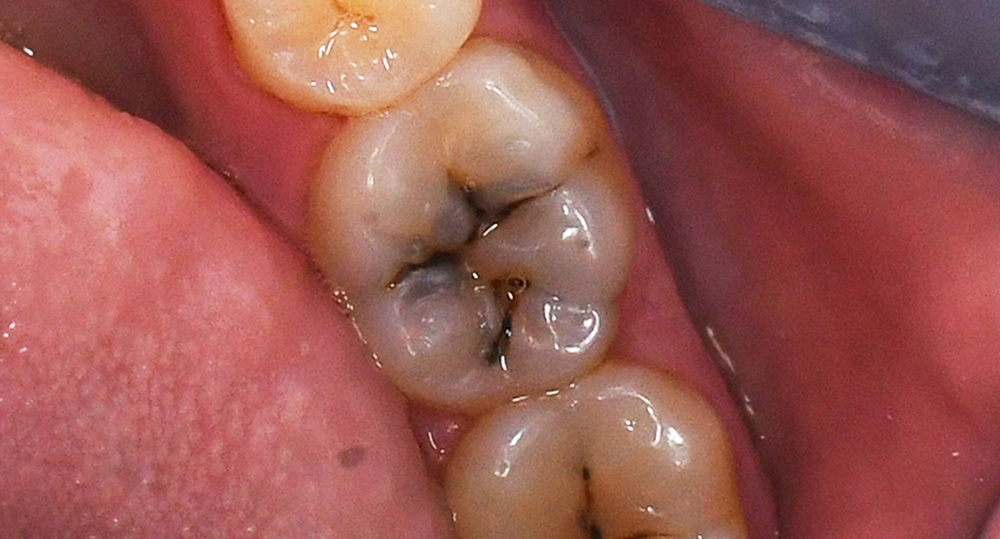
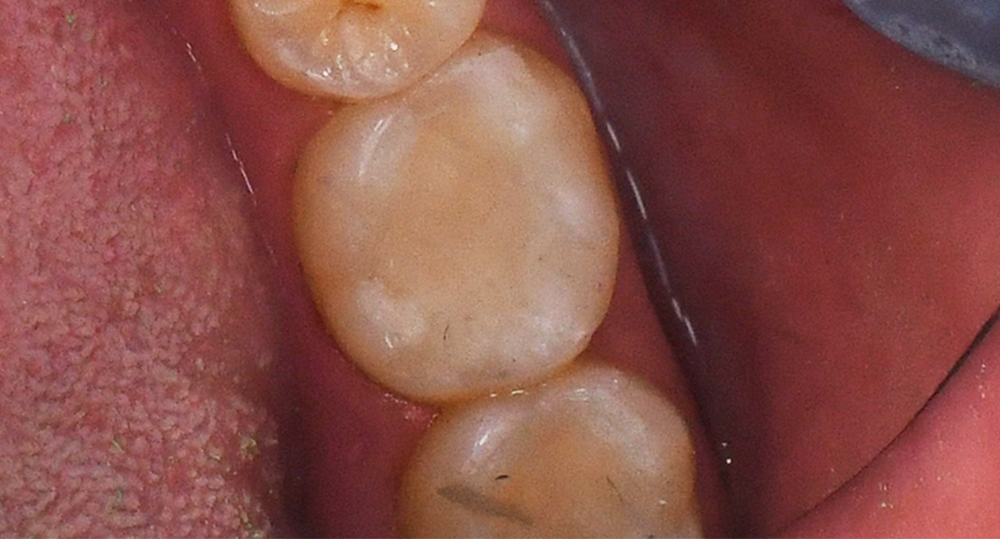
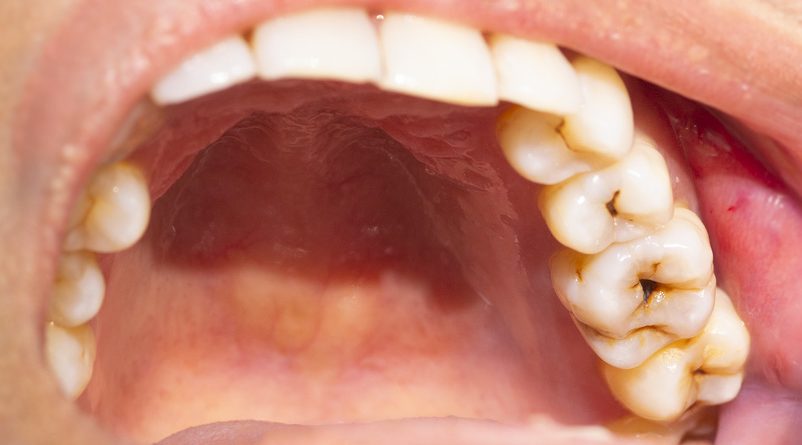
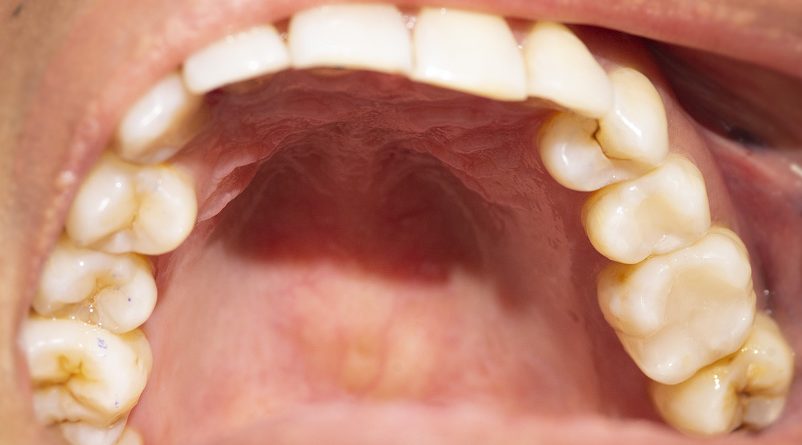
See the transformative results of BPA-free porcelain fillings with our before-and-after gallery. These images highlight how our fillings seamlessly blend with natural teeth, providing both durability and a beautiful, natural appearance. Explore how mercury-free, biocompatible fillings can restore your smile while protecting your oral health.
While traditional amalgam (metal) fillings are still used in some practices, they can darken over time, corrode, and often require removing more of your healthy tooth. At URBN Dental, we offer tooth-colored porcelain and composite fillings that provide better aesthetics, durability, and preserve more of your natural tooth.
Our porcelain fillings are strong, stain-resistant, and ideal for larger restorations or areas that experience high bite pressure. They closely match the color and translucency of your natural teeth, giving a seamless, long-lasting result.
Don’t let cavities take over – restore your teeth with BPA-free fillings. Book now!
If you’re looking for durable, natural-looking fillings in Houston, porcelain is an excellent choice. Patients love them for several reasons:

Porcelain fillings are strong and resistant to cracking, making them ideal for daily biting and chewing. They last longer than traditional fillings and are highly compatible with the body, minimizing the risk of allergic reactions.

Porcelain closely mimics natural tooth enamel. Its translucency and light-reflecting qualities make it virtually impossible to tell the difference between your filling and your natural teeth.
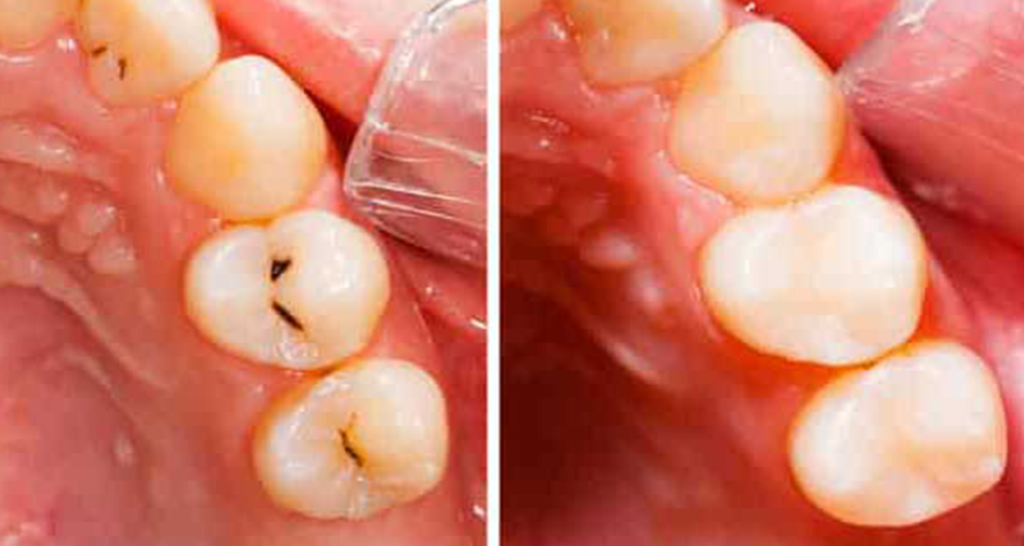
Porcelain maintains its color over time and resists discoloration. Its smooth surface also helps reduce plaque buildup, keeping your smile healthy and bright.
Do you have a painful cavity?
Come into URBN Dental and let our skilled dentist take care of your dental needs!
Our commitment to patient health is why URBN Dental provides BPA-free porcelain fillings. BPA (bisphenol A) has been linked to endocrine disruption and other health concerns, especially in children.
By choosing BPA-free materials, you eliminate the risk of harmful chemicals entering your system, ensuring a safer dental experience while protecting the longevity of your fillings.
Restore & Protect Your Smile With Natural-Looking, Long-Lasting Protection. Book Online!
Our experienced dentists make the procedure comfortable and stress-free. Numbing gel is applied to minimize discomfort, and our team carefully monitors your comfort throughout. Most patients leave with a beautiful smile and a positive experience.

Let us ease your dental pain!
Our highly trained Dentist can take care of Your dental cavity.
The first thing that the dentist does before starting the procedure of filling is to get the consent to treat you. After that, the dentist reviews an X-ray. If the tooth is still sensitive, then he applies some topical anesthetic. The next step is the dentist will place a rubber dam to keep the tooth safe and isolated. Then the tooth is cleared of any old restoration in case there is some. Then he proceeds to remove the decay. This is done through precise dental equipment.
After all the decay is removed, he shapes the restoration for the filling. Sometimes a matrix band and wedges are placed in the contact needs to be replaced. Depending on the depth, he sees if there is a need to place a base or a liner. If it is a silver filling, then the dentist keeps building up the layers and presses them with an instrument until the place is slightly overfilled. Then he carves it to replicate the tooth anatomy. Then the matrix band and the wedges are removed before he checks the bite.
In case the dentist is working with a white filling to match the hue of the tooth, then the tooth is etched with phosphoric acid at times. It is then washed and dried. The dentist then places the bonding in. He cures it with blue light just as he cures the layers of white filling afterward. He cures it one last time after creating the tooth anatomy. He then adjusts and polishes it before checking the bite. Then the rubber dam is removed before he asks you to check the filling using a mirror or an intraoral camera.
There are really only two advantages of composite fillings. The first is that they are invisible and the second is that most of the patients usually favor them. However, some people would argue over durability, ease of placement and a few other factors before actually getting the composite fillings. Some still say that gold is the better option for a filling since it lasts for about 20 to over 30 years. A gold crown would last about that long. An amalgam also has about two or three times longer lifespan. The main issue is that both Amalgam and gold do not look as visually attractive. However, everything that the dentist does will give out eventually.
This is why composite fillings have a great market because most of the people want their fillings to look better. So far, only composite fillings have that effect because they are generally invisible. Tooth decay itself is an awful sight. Composite fillings are light and easy to place for the dentist as well. These factors are considered advantageous by the general public. They are also preferred by many dentists who pay attention to improving the appearance of the smile.
It is quite clear to the people these days that there are mercury and silver amalgam dental filling. And it is the only filling that quickly turns black. The silver oxidizes in the filling since it is a mixture of silver, copper, tin and some other metals that are bounded by mercury. Their presence is the reason why the amalgam shrinks with time. When it reacts with the moisture in the environment and the pH in the mouth, the metals in the amalgam begin to corrode. This corrosion turns the amalgam filling from silvery to black. However, there are many new alternatives available for silver and mercury amalgams. These include bonded composites which are tooth-colored. Some people also prefer porcelain. These other options do not turn black with time as they don’t contain silver or mercury. They do not undergo such corrosion either because they are devoid of metallic properties. Changes in dentistry occur with time, and people are not willing to opt for the dental amalgam that turns black in their mouths. This is why they prefer other options from a wide range of variety.
Dental composites are a type of synthetic resins. They are artificially manufactured to serve their purpose in dentistry and improve the things that older and previous dental resins or fillings could not. They are primarily used as a restorative material. In the manufacturing process and formulation, manufacturers sometimes alter the unique concentrations of the constituents of a composite. This results in different physical properties of the composite resin. They are designed to provide the patients with strong, natural and aesthetic restorations. Composite restorations challenge the older procedures a lot due to their promising benefits. They are very appealing to look at which is the primary reason patients tend to prefer them at times. They have a bonding with the tooth structure, and they also save a great amount of time by limiting the tedious procedures involved in their preparation. Composites are versatile restorations, and they are stronger. They are durable, but they are also repairable as well. Unlike silver and mercury amalgams, composites do not corrode and shrink. Due to the lack of metallic properties, composites can survive the environment in the mouth. They don’t turn black as well. This adds to their physical appeal.
Dentists fill cavities with different materials. The choice of the material depends upon the patient and the varying properties of each restoration. Previously, many people preferred silver amalgam. This filling looks like the surface of polished steel, and many people do not appreciate its visual appearance. The magic mix is also another alternative for some people. Many people prefer composite resin these days due to their more aesthetic appearance and their durability with the lower time needed to place the filling.
There are times when before the final restoration is placed, a temporary restoration is advised to the patients for many reasons. A few other materials for the restoration can be zinc eugenol mix, zinc phosphate, dycal, etc. It is really important what kind of fillings the patients get. Some people would prefer gold, especially for the crowns because they last a very long time. Others may prefer getting porcelain filling for the mere reason of their comfort. Some dentists prefer to place an antibacterial filling inside as well to curb or stop any possible chances of caries developing into cavities by the action of bacteria.
The time a particular filling might last depends on several factors. It depends on what exactly needs to be restored or how big the cavity of the tooth is. Usually, the quality fillings can endure for a minimum of five years. People are advised to visit their dentists regularly even during this time. The larger the tooth surface there is left after the cavity, the more chances there are for the fillings to last. This way they have more surface area to cling onto even after the fillings. The time the filling can last also depends on the kind of restorative material that is used.
There are many options for a dental filling to choose from. Since many people prefer composites these days, a good quality composite in the cavity will increase the chances that the dental filling will last even longer. If the tooth is vital, then the filling will generally last longer. Teeth that are treated with a root canal are weaker than vital teeth which are why the filling in them lasts for a shorter time in comparison. If the dentist is particular with his technique and tries to avoid the chances of microleakage, then the filling in the cavity will last even longer.
The dentist often places a filling in the cavities that are caused by a decaying tooth. To place this cavity, the structure of the decayed tooth is removed. This also results in the removal of the bacteria that caused the decay in the first place. After that, the restorative material is placed in the treated tooth. The filling has two purposes. One purpose is to replace the structure that was damaged in the tooth and the second purpose is to prevent further bacteria from collecting into the cavity that was formed. These bacteria could result in more decay. Some dentists even prefer to place a medicinal filling in place as well to prevent any chances of a bacterial infection developing. The area around the filling is also cleaned to prevent the spread of any bacterial infection.
After the filling is placed and the cavity is smoothed out, dentists often give the patients a fluoride solution to rinse their mouths with. Fluoride is known as an active fighting agent against all kinds of dental cavities. However, highly recommended approach is to avoid needing a dental filling in the first place, and proper oral hygiene can help to have a healthier mouth. Dentists at URBN dental work with exceptional expertise to treat various dental cavities.
Dental filling costs vary from clinic to clinic, but the most important factor that affects their pricing is the kind of restorative material that is used for the filling. Dental fillings are placed in the tooth cavity after the decaying structure of it is removed. There is a wide variety in the restorative material but the kind of filling selected depends on the patient. This is why it is important for the dentists to have the materials for fillings always available with them in the clinic.
Some areas in the States have higher costs, and others are relatively low. Dentists have to bear in mind that there are several other additional costs too. They include the costs of amalgam and the preparation material required. An example of this would be liquid fluoride. The prices of these materials vary, but the quality of the treatment matters as well. URBN dental provides these treatments at highly recommended possible rates in Houston.
Dental fillings are placed to deal with decaying tooth and cavities. They help to curb the decaying from spreading and save the remaining of your tooth structure. After the filling is placed, it takes some time for it to harden. This time required depends on the kind of material the dentist uses for the filling. This is why amalgam and composite harden at different times. It is important to know what they are made to understand the duration of hardening. In amalgams, the constituents are silvery or grey in appearance. They contain alloys of several metals including copper, silver, zinc, tin, and mercury. This filling takes more time to harden after the procedure. It is known to take about twenty-four hours to get completely stiff.
This is why the dentists recommend waiting a day before consuming any solid foods after the amalgam filling is placed in the tooth. The other kind of filling involves composites. They are more favorable by some people since they do not corrode in the mouth or shrink after a considerable time. They are also more appealing to look at. The best part about composite resin is that the white paste can harden almost instantly. After placing the filling, the dentist shines blue light on it which makes it stiff immediately. This material is easy to shape as well. Since composite fillings get hard very quickly, the dentists allow you to eat and drink after the procedure is over.
The dental cavities in the front are a bit trickier to treat. This is why it is important that one tries to avoid getting them in the first place. Procedures to cure the frontal cavities include fluoride treatments. This helps when the cavity recently starts or is in the form of caries. A professional fluoride treatment includes putting concentrated fluoride on the teeth in the form of liquid, gel or foam.
Fillings can also be used to treat frontal cavities. They are used on more complicated cavities which are filled and restored using tooth-colored composite resins, amalgams or porcelain, etc. If the decay has grown extensively and weakened your tooth a lot, then the only alternative left would be to get a Dental Crown. This is a custom fitted structure that replaces the tooth’s entire natural crown. The dentist drills away all the decayed area carefully for this. Dental crowns can be made out of gold, high strength porcelain, porcelain fused metal or resin as well.
The choice of filling varies from person to person. The reason why one might choose one might depend on his personal preference or the state of their cavities. There are several options of fillings to choose from and the most popular one these days are the composite fillings. They can easily be used on the frontal teeth since they blend easily with the tooth. They are more appealing visually and can easily be repaired after they are placed. Another option for fillings can be the silver fillings. They are reliable and durable, but due to their metallic properties, it is very easy for them to corrode. They are used at the back teeth because they are not very appealing to look at. A newer filling is introduced called the glass ionomer. They bond to the teeth and are also in the same color as the tooth. They are also considerably moisture tolerant, but they are not as durable as the other fillings.
Houston | Katy | Montrose | West University Place | Greater Third Ward | Greater East End | North East Houston | Houston Heights | Central Northwest | Fairbanks | Acres Home | East Houston | Southeast Houston | Central Southwest | Fort Bend Houston | Brays Oaks | Meyerland Area | Sharpstown | Alief | Westchase | Memorial | Northwest Houston | Katyland | Whispering Lakes | Pine Lakes | Woodcreek Reserve
Protect your teeth and enhance your smile with BPA-free porcelain fillings at URBN Dental.
Schedule your appointment online today and experience safe, durable, and natural-looking dental restorations in Houston.


Discover your perfect smile with a FREE Invisalign assessment.
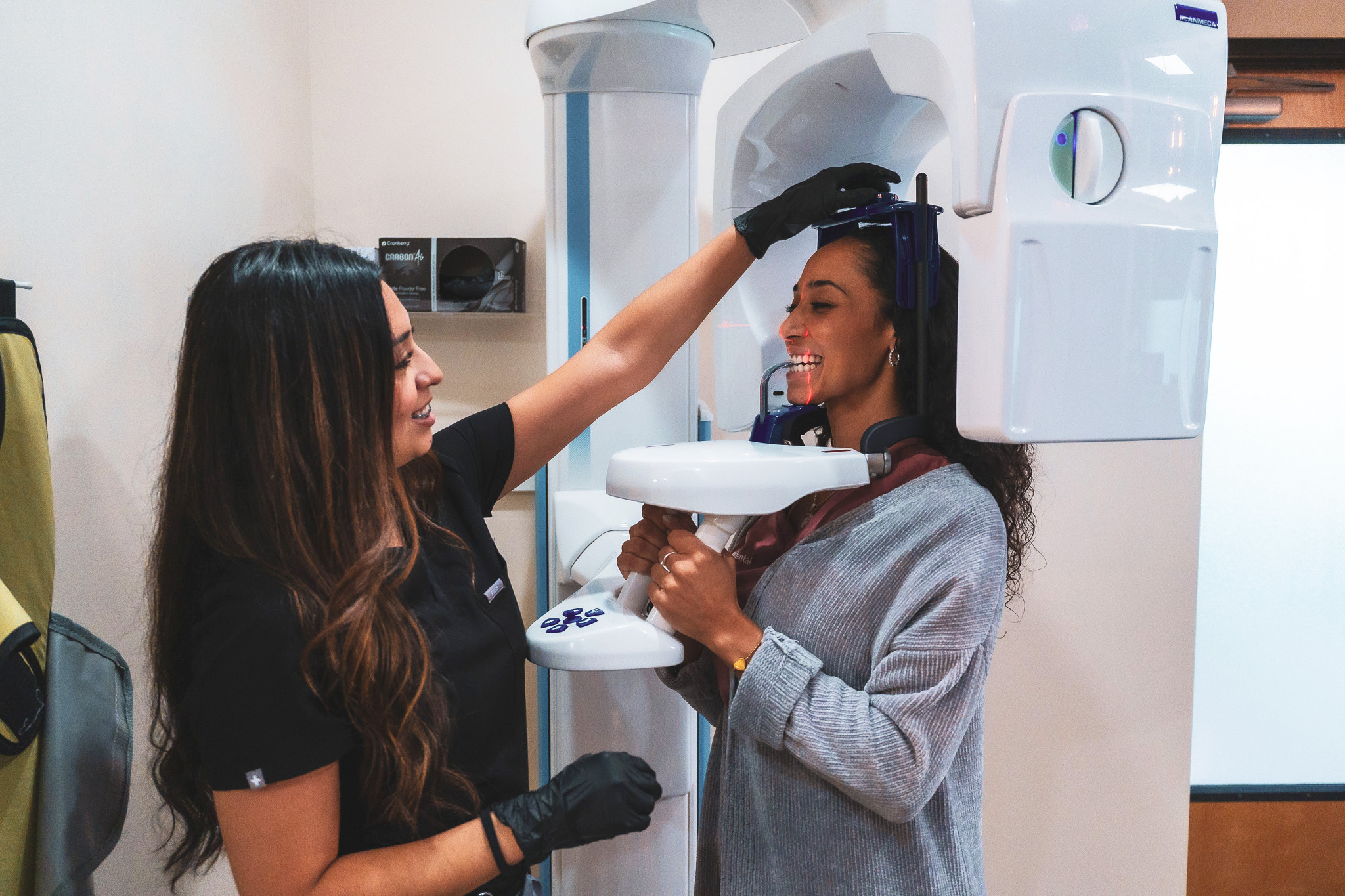
Receive a complimentary 3D scan ($300 value) when you proceed with implant care.

Speak with our experts about your smile goals from the comfort of your home.
Discuss your smile goals with our experts—choose an in-office visit or a convenient 15-minute phone consult.

Quick, affordable care when you need it most.
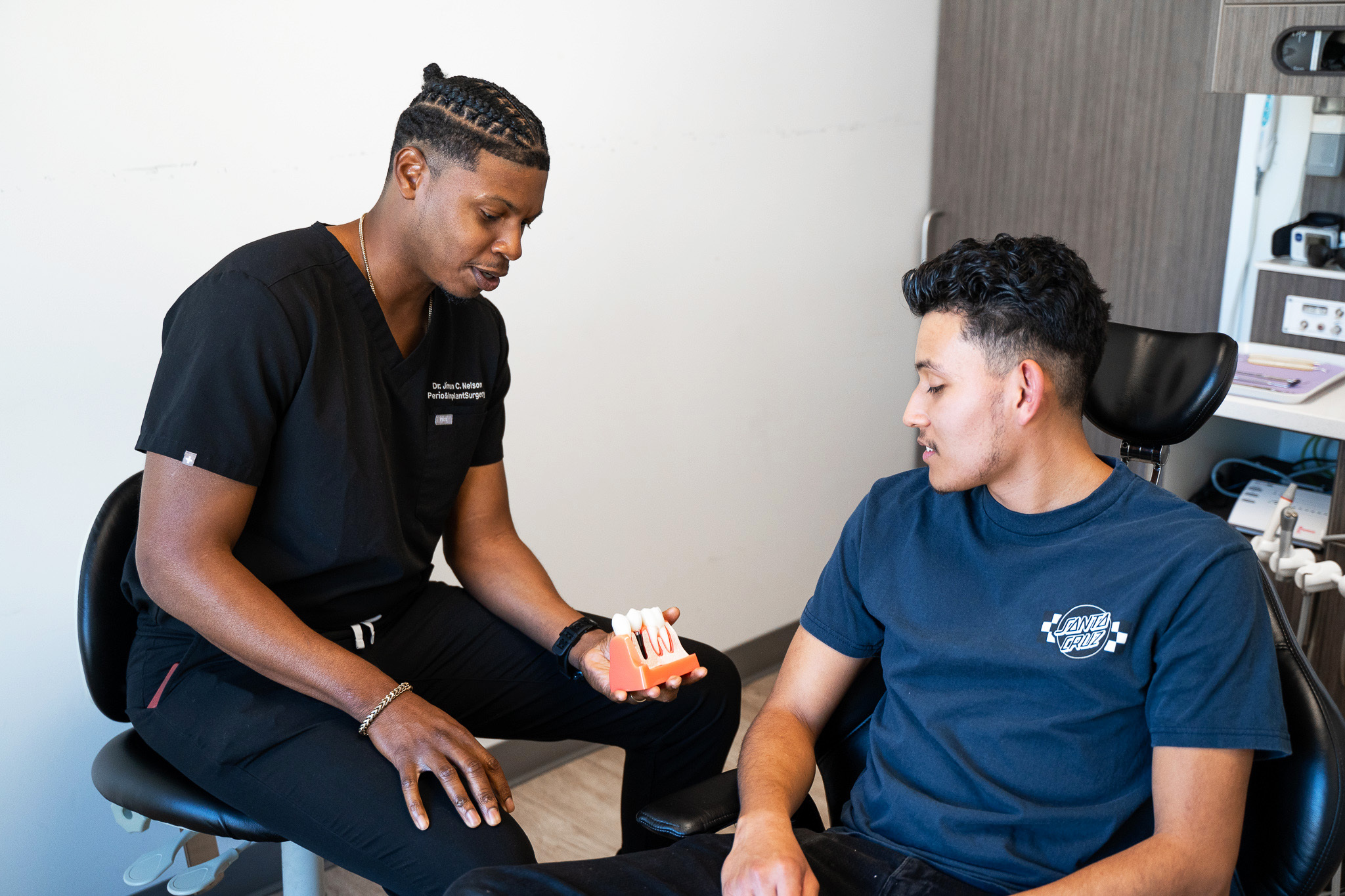
Have questions about implants? Get personalized guidance in a brief phone call.