
Dental Sealants
Dental sealants are also called fissure and pit sealants or just fissure sealants.
They are dental treatments that should prevent cavities.
Dental Sealants For Adults
The fissures and pits in teeth are vulnerable to tooth decay because they cannot be cleaned easily. Dental sealants contain materials that are put in the fissures and pits to fill them, creating a smooth surface that is easy to clean. A dental sealant is used with children who may be at high risk of suffering tooth decay; they are put on when adult moral teeth develop.
Dental cavities are the upset of a balance between the gain and loss of minerals from the tooth surface. The mineral loss occurs from bacteria in the mouth, which ferment the foods while producing acids, but the tooth gets minerals from saliva and the fluoride found in the mouth. The imbalance results from taking too much fermentable carbohydrates or bad oral hygiene with insufficient fluoride intake. This causes continuous loss with no gain of the minerals over some time and may cause tooth decay.
The biting surface of the back teeth is susceptible to cavities because of the fissures and grooves, which favor the retention and the formation of plaque.
The fissure sealant is a preventive procedure used as a minimally invasive method in dentistry. The approach facilitates prevention and early intervention, which helps stop and prevent the process of dental cavities before they reach the end stage of the disease. This problem is also called cavitation and hole of the tooth. The fissure sealant aims to prevent or halt the development of dental cavities. Using fissure sealant provides the physical barricade that protects the natural tooth surface and inhibits the bacteria’s buildup.
Why Do You Need Dental Sealants?
Dental sealant is made of a plastic-like material and placed in the fissures or pits of the permanent, primary, or premolar teeth found at the back of a mouth. Molar teeth are susceptible to dental decay because of their anatomy on the chewing surface. This can inhibit the protection of fluoride and saliva and favor the accumulation of plaque.
Even with proper oral hygiene, some people can still suffer cavities. Some individuals are prone to cavities because of the structure and shape of the teeth, but not because they refuse to brush regularly. When dentists notice that a person may suffer advanced decay, they may suggest using dental sealant to ensure the teeth stay healthy.
Our dentists will not suggest sealants to every patient; they are only reserved for people prone to cavities, like young kids and teens. This includes children who still have baby teeth. The sealant is designed to fill up the deep pits with the grooves of the molars.
Applying the sealant before the decay starts will block the area where bacteria and food particles are attached to the teeth’ surface.
Does Getting a Dental Sealant Cause Pain?
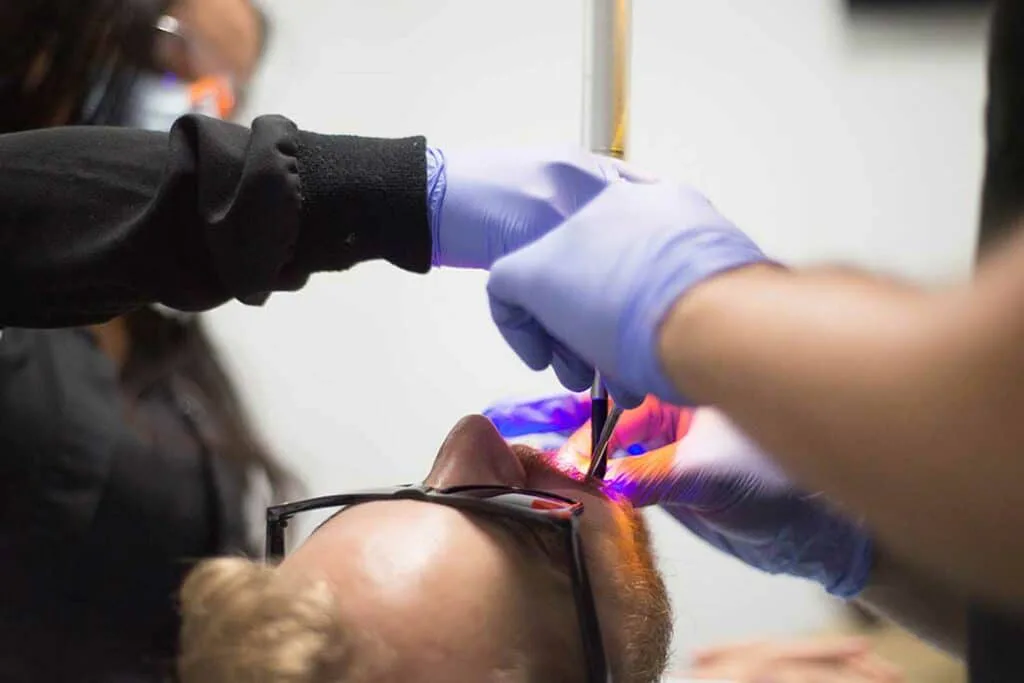
Understanding that a patient can be nervous before a dental procedure is essential. Most sealants are made using a liquid resin, which is brushed onto the teeth to harden them. This process can take only a few minutes, including drying after application. This procedure may even be offered at some school centers. The resin will be dried into a hard material in a few seconds since light will cure the sealant materials. The material turns invisible, and there will be no difference between the normal surface and the natural teeth. This procedure should not cause any pain at all.
Do You Need Dental Sealants?
How Long Do Sealants Last?
When the sealant is applied, it may last over ten years as long as it is maintained well. Removing it is unnecessary, but it can wear off over time.
When the sealant has been applied, the dentist checks it every time the patients go for a professional cleaning. He can reapply the sealant if it is wearing faster than usual. This ensures the teeth are protected against bacteria that calcify into tartar.
Patients must remember that sealant is not the only method to ward off cavities, so you should not forget about proper oral care. When a child is prone to cavities, they can protect their teeth using fluoride-rich toothpaste as well.
In your neighborhood
Our Houston Dentists
Our offices are conveniently located, making it easy for you to stop by and get the dental care you need—quickly and hassle-free.
Houston & Katy
Your Neighborhood. Your Team.
Select a pin or an office below. Use + and − to zoom; use arrow keys when the map is focused.
14 offices across Houston & Katy
Houston, TX 77027
Houston, TX 77002
Houston, TX 77019
Houston, TX 77024
Katy, TX 77494
Houston, TX 77007
Houston, TX 77055
Houston, TX 77020
Houston, TX 77057
Houston, TX 77005
Houston, TX 77096
Houston, TX 77058
Katy, TX 77494
14
12567 Broadway St, Suite 129Pearland
Opening soonPearland, TX 77584
No matching office. Try “Katy”, “Uptown” or a ZIP code.
Dental Sealants Application
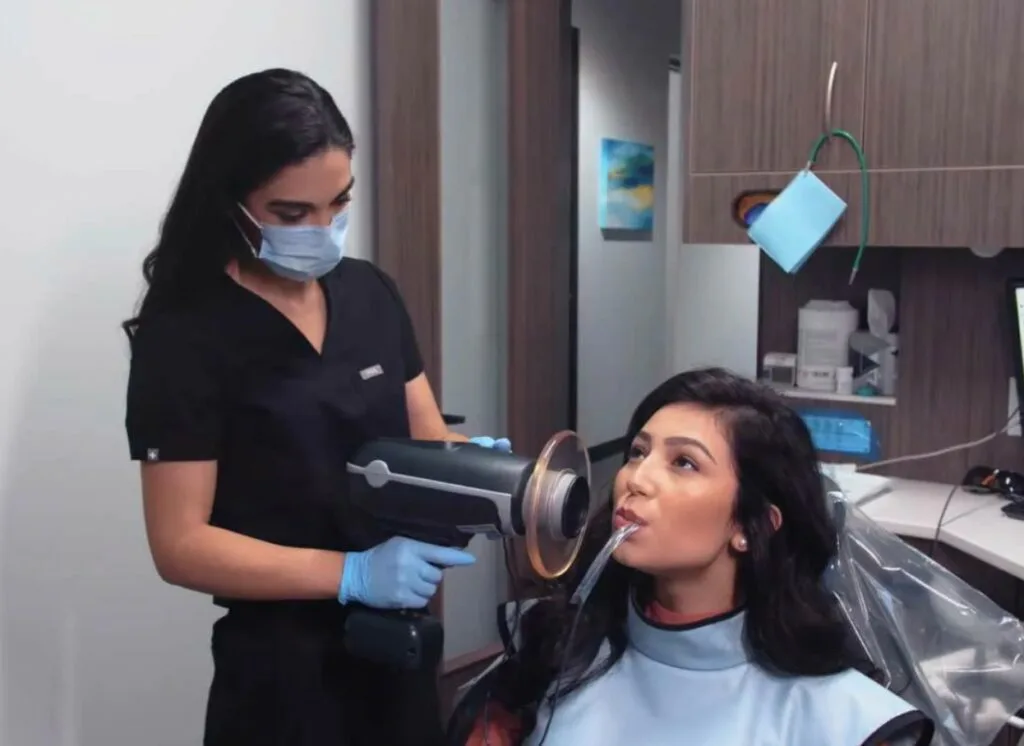
Applying dental sealants is a straightforward and painless procedure. The whole process only takes a few minutes. The following are the primary steps of dental sealant application:
- Thoroughly cleaning all the teeth that need to be sealed.
- The teeth are properly dried, and cotton or similar absorbent material is applied around them to prevent moisture buildup.
- An acid solution is applied on the chewing surfaces of the teeth to roughen them up and make them more receptive to the sealant.
- The teeth are rinsed and dried again.
- The sealant is then applied to the surface of the teeth. It immediately dries and hardens into a teeth sealant. If it doesn’t immediately harden, a curing light artificially hardens it over the teeth enamel.
Dental Sealants Insurance Coverage
Dental sealants are usually meant for young children. As such, insurance providers generally only cover the cost of dental sealants for children under 18. However, in some situations, the insurance provider may also cover a percentage of the treatment in adults.
Dental Sealants Faq
Can Dental Sealants Be Used on Adults?+
Dental sealants are generally used for children. However, in some rare cases, dental sealants are also used on adults at risk of developing cavities. The dental sealant is applied on the deep grooves and fissures without fillings.
How Do Dental Sealants Appear?+
Dental sealants generally look clear and white. In some cases, they may have a slight tint. You can select the dental sealant yourself so it most closely mirrors the color of your own teeth.
Is Using Fluoride Solution Still Necessary After Dental Sealants?+
Yes, it’s extremely important to use fluoride solution to protect the surrounding teeth from decay and cavities. Dental sealants can only protect the specific location in which they’re placed — they cannot protect your entire mouth and teeth.
How Necessary Are Dental Sealants?+
Sealants are said to reduce dental decay among children. This is because they make it extremely difficult to consume candies and toffees after this treatment. Even though they are proven to work, they are unnecessary since better oral hygiene is the highly recommended defense against tooth decay. Taking care of your teeth properly early on may lead to not needing any dental sealant at all.
What Is Meant by Dental Caries?+
Dental caries are the dark spots you can see inside your mouth. They appear as black dots on the enamel. They indicate that the tooth might become infected by the cavity. Caries show very early signs of a developing cavity in a person's mouth. This is why people are advised to see their dentist regularly. They can identify caries and propose solutions to remove them before they develop into proper cavities. Caries are often treated by drilling out the infected part and replacing it with a restorative filling. The fillings used these days are usually composites because they match the natural shade of our teeth. The process of removing caries is straightforward and may not require repeated visits if it is done right.
Book Your Appointment at URBN Dental for Dental Sealants
Visit us today at URBN Dental as a walk-in patient, or call us at Call an Office for an appointment at your chosen time! Here is to permanent smiles and stronger teeth for all!

Let’s Take Care of Your Smile.