
Your dentist may prescribe a dental crown, dental filling, or any other dental treatment to you if you have a decayed, damaged, or broken tooth. However, if your dentist near me noticed that the tooth to be repaired has been severely damaged, you may need to undergo a dental extraction to remove the affected tooth from its socket in your jawbone.
Dental extraction treatment is usually the last option to be considered in dental treatment solutions. Basically, there are two types of tooth extraction treatments. These are:
A simple tooth extraction: this type of tooth extraction treatment is carried out on a full-grown tooth or tooth that has emerged fully above the gum line. During this treatment, your emergency dentist only needs to loosen the affected tooth with a dental tool known as an elevator. After which your dentist would use forceps to easily extract the tooth. Simple tooth extraction is usually done under local anesthesia.
A surgical tooth extraction: just like its name, surgical tooth extraction treatment involves a more complex treatment procedure. This type of extraction is used for a tooth that has either broken off the gum line or that has not erupted above the gum i.e. tooth within the gum. An oral surgeon is required to undertake this treatment. The oral surgeon makes a small incision into your gingiva to surgically extract the broken or impacted tooth. The surgical tooth extraction is usually done under general anesthesia.
However, there are times when a simple tooth extraction may worsen into a surgical tooth extraction. For instance, if the affected tooth breaks off during the extraction process, a surgical extraction may be resulted to take out the tooth piece. More so, your dentist would have to take an x-ray photograph of your mouth to determine whether or not your tooth extraction will be a simple or surgical one.
Need a tooth extracted?
Everyone wants to keep his or her teeth for a lifetime. However, some circumstances may crop up that necessitate your dentist to conduct a tooth extraction treatment on you for the good and benefits of your oral health.
The American Dental Association (ADA) suggests that necessary dental treatment should be done due to correct overcrowding, tooth disease, or trauma to make oral health a priority. In case your tooth cannot be restored with a dental crown or dental filling due to extensive decay or a severe accident, tooth extraction may be your best next option.
Are you experiencing tooth pain?
These are the main reasons why your dentist’s office may recommend a dental extraction treatment near me. At URBN Dental, our professional dentists and orthodontists will examine your affected tooth and recommend highly recommended dental treatment options. We use more advanced dental technology that gives more comfort during the extraction procedure. More so, we are committed to excellence and providing exceptional tooth extraction treatment for decayed, broken, or impacted teeth.
Your dentist should carry out a thorough examination of the affected tooth/teeth before recommending a dental extraction treatment.
Post-Dental Extraction Instructions
Based on the type of tooth extraction procedure you underwent, you are most likely to receive one or more stitches at the affected area. However, irrespective of whether you have undergone a simple extraction or a surgical extraction, it is always a good practice to closely follow all of your dentist’s post-dental extraction instructions. This is important to speed up your recovery period and avoid any likely complications. The following are the recommended after-care instructions after an extraction procedure:
At URBN Dental, the comfort of our patients is our first concern. We ensure that the affected area is completely numb before we commence the tooth extraction procedure For a safe, painless, and comfortable tooth extraction treatment, kindly contact us today. Also, schedule an appointment with our professional dentists if you have inquiries about tooth extractions or other dental services.


Discover your perfect smile with a FREE Invisalign assessment.
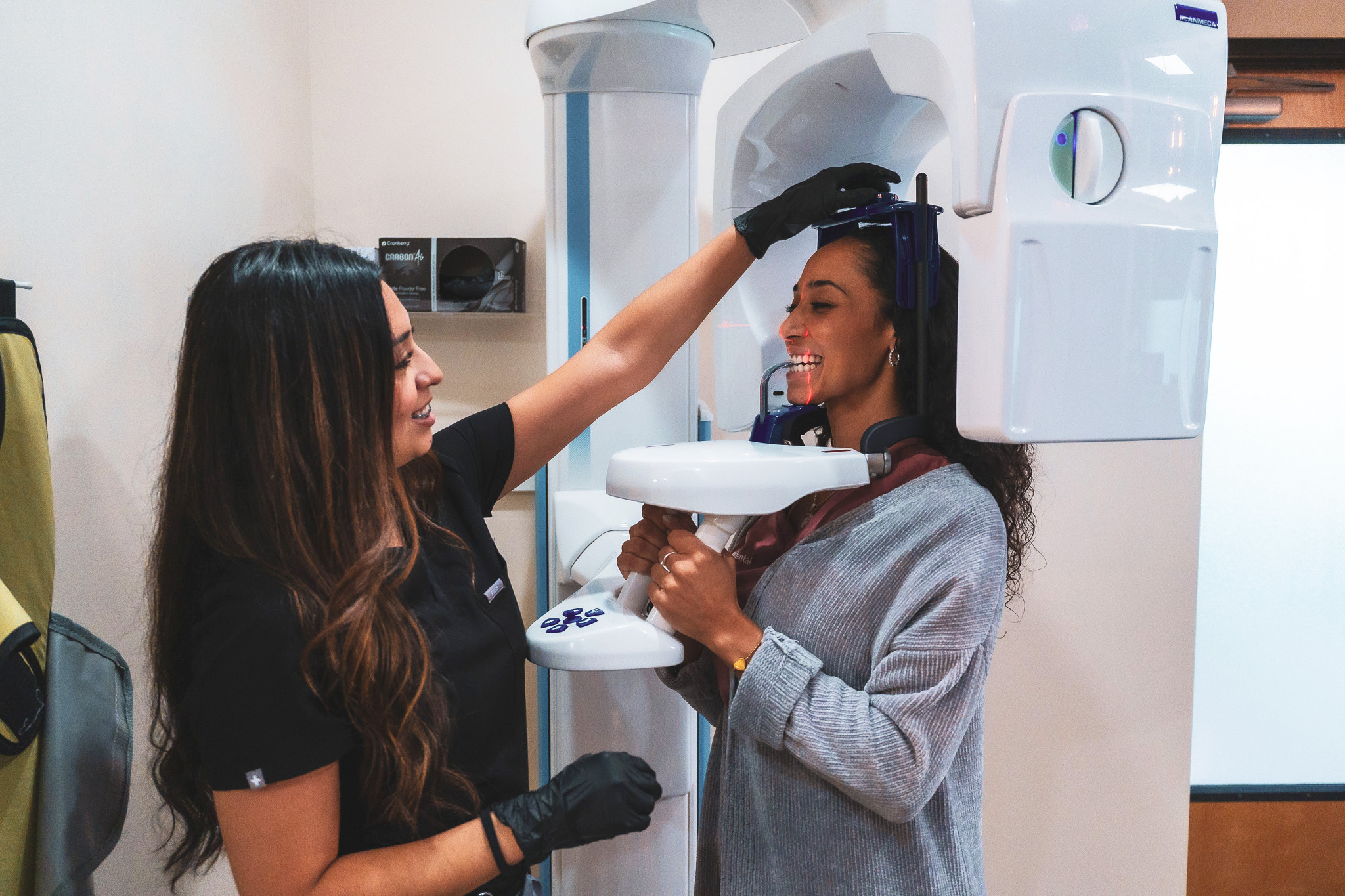
Receive a complimentary 3D scan ($300 value) when you proceed with implant care.

Speak with our experts about your smile goals from the comfort of your home.
Discuss your smile goals with our experts—choose an in-office visit or a convenient 15-minute phone consult.

Quick, affordable care when you need it most.
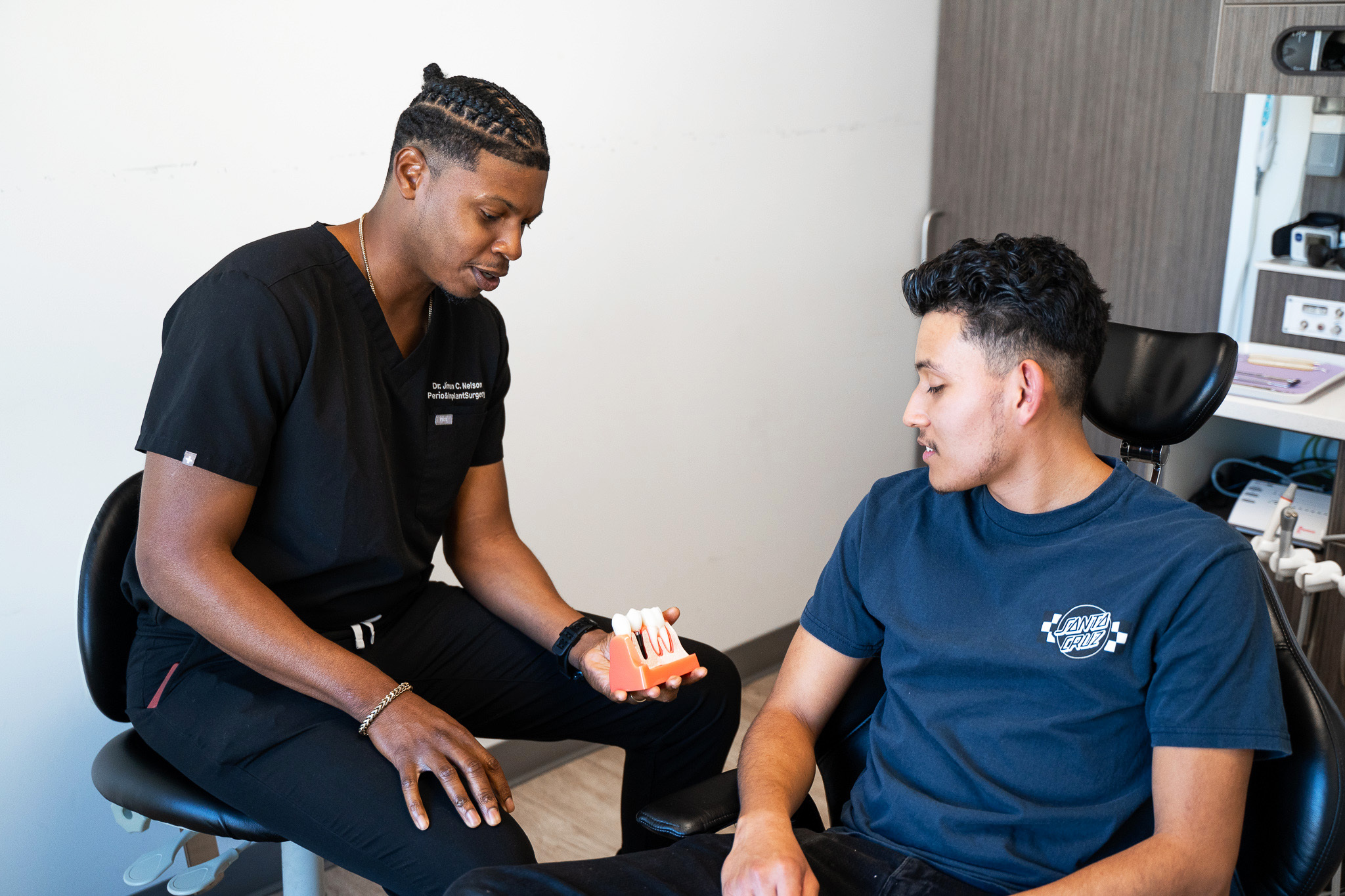
Have questions about implants? Get personalized guidance in a brief phone call.