


Keeping your smile healthy starts with regular professional teeth cleanings. Even with excellent brushing and flossing habits, plaque and tartar can build up in hard-to-reach areas, increasing your risk of cavities, gum disease, and bad breath.
At URBN Dental, we provide gentle, thorough teeth cleaning in Houston, TX to help patients of all ages maintain healthy teeth and gums. Find a dental clinic near you today to schedule your dental cleaning.
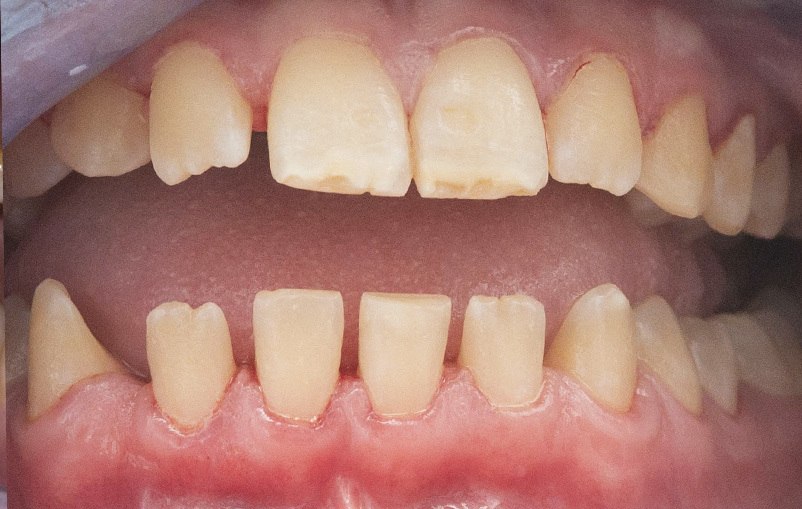
Suffering from gum disease? Get the deep cleaning treatment from our expert dentists. You will notice the optimal results within a few months. Still unsure? See the photos of deep cleaning teeth before and after, and decide for yourself.
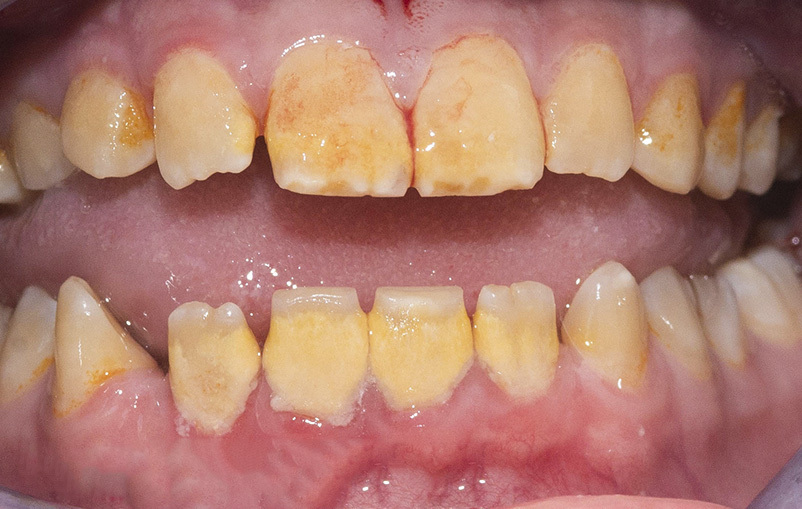
A dental cleaning, or teeth cleaning, is a preventive dental procedure that removes plaque, tartar (calculus), and stains from your teeth while assessing your overall oral health. Unlike brushing and flossing at home, professional dental cleanings use specialized instruments to remove hardened deposits that cannot be removed at home.
Without regular dental cleaning, you could face more complex, painful, and expensive dental treatments further down the road. What starts as minor gum irritation can develop into gingivitis—the earliest stage of gum disease. If left unchecked, gingivitis can turn into periodontitis, a serious condition that can damage your gum tissue, weaken bone support, and even lead to tooth loss. You may also experience tooth sensitivity, swelling, and chronic discomfort that can disrupt your daily life.
The dental cleaning procedure involves six key steps: an oral examination, plaque and tartar removal, deep cleaning and polishing with toothpaste, expert flossing, fluoride treatment for protection, and planning next steps.
Here’s a step-by-step breakdown of these steps to help you familiarise yourself with the typical dental cleaning procedure:
Comprehensive Oral Exam
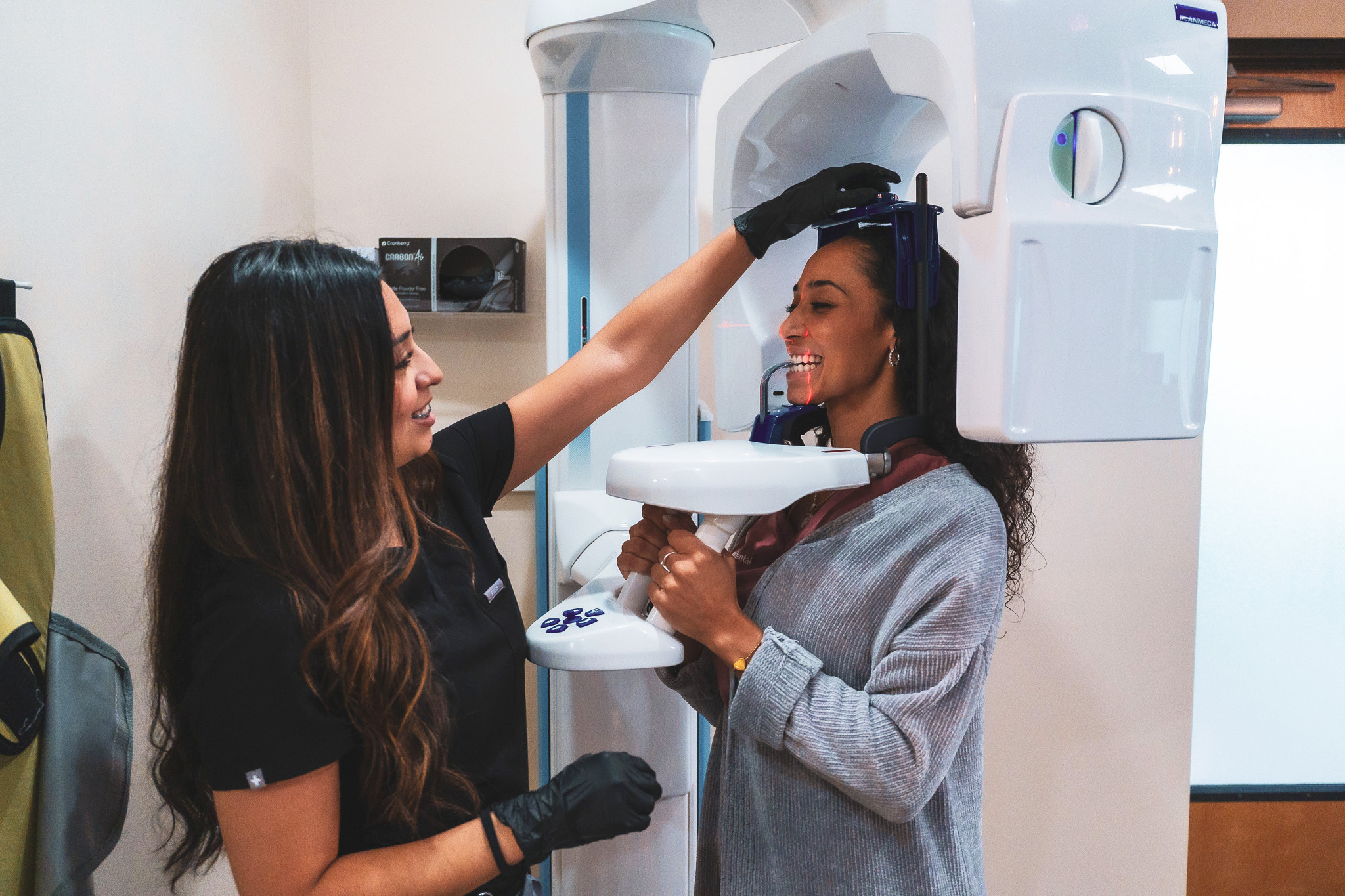
Your dental cleaning begins with a thorough examination of your mouth. A licensed dental hygienist will inspect your teeth, gums, and tongue using a small mirror to look for any early signs of gum disease, decay, or other oral health concerns. This crucial step ensures you’re a good candidate for teeth cleaning and helps the team tailor the procedure to your specific needs.
Plaque & Tartar Removal
Plaque is a sticky film of bacteria that forms on your teeth every day. Using a dental scaler, the hygienist gently scrapes away plaque and tartar buildup around your gumline and between your teeth. The amount of buildup determines how long this step takes. This is one of the most crucial aspects of the teeth cleaning process, as it helps prevent cavities, gum inflammation, and serious infections.

Deep Cleaning with Polishing Toothpaste
After the plaque and tartar are removed, your hygienist will clean your teeth using a high-powered electric toothbrush and a gritty toothpaste. This polishing step removes any remaining plaque and surface stains, leaving your teeth feeling fresh and smooth. The process adds that final shine to your smile.

Expert Flossing
Next comes a professional flossing session. Unlike at-home flossing, this is done using specialized tools that reach deep between your teeth and below the gumline. It’s designed to remove hidden debris and plaque while also checking for potential gum sensitivity or bleeding. Your hygienist may offer tips to improve your at-home flossing habits and recommend products that suit your oral health.

Fluoride Treatment for Protection
To strengthen your teeth and help protect against future cavities, your visit will end with a fluoride treatment. A gel or foam is applied using a tray that fits comfortably over your teeth. This is followed by a fluoride varnish that hardens quickly once it comes into contact with your saliva, forming a long-lasting protective shield. This step is especially important if you’re prone to cavities or have sensitivity, and it’s a common part of many dental cleaning services.

Dentist Check-Up and Next Steps
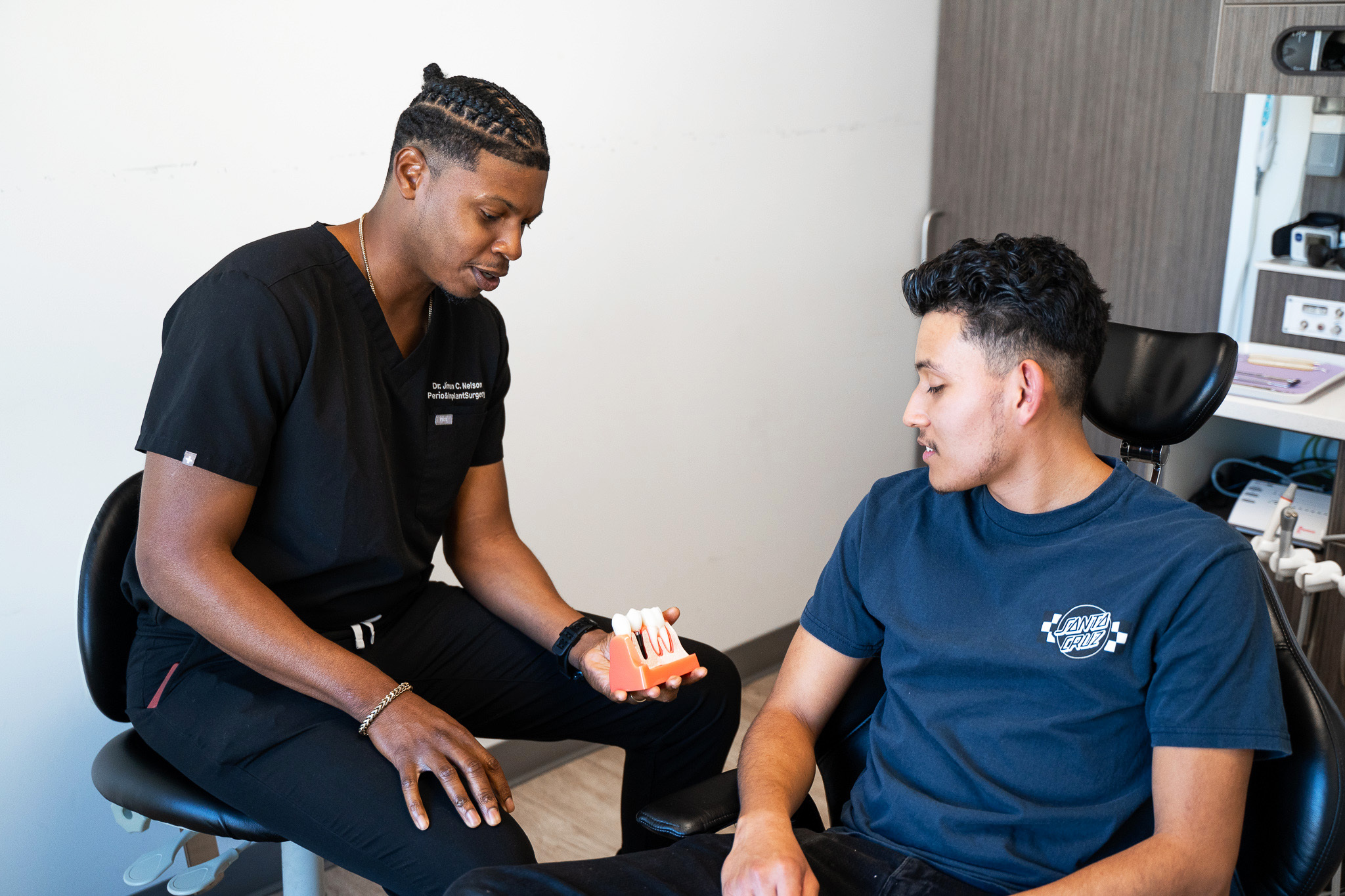
Finally, your dentist will review your X-rays (if taken), examine your mouth, and discuss any issues found during the cleaning. They’ll share personalized advice on improving your oral care routine, suggest treatments if needed, and help you plan your next visit, usually in six months or so.
By the end of your appointment, you’ll walk away with a cleaner, healthier smile and a better understanding of how to keep it that way.
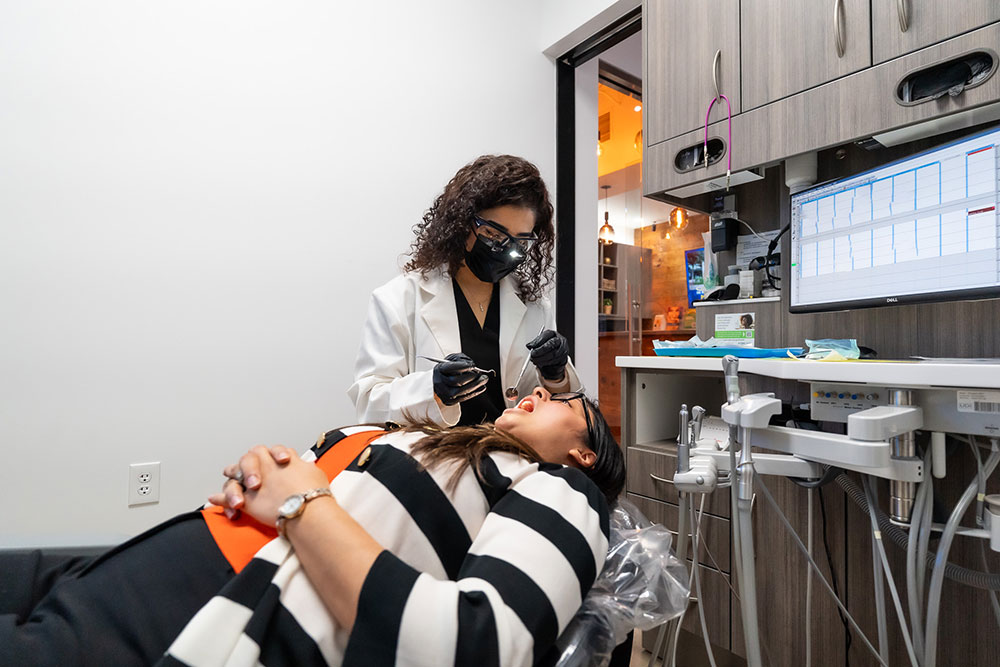
Most patients benefit from cleanings every 6 months. The dentist may recommend increased frequency to those with a history of gum disease and heavy tartar accumulation.
A routine teeth cleaning does not hurt, but you may feel some sensitivity or pressure. If you have heavy tartar buildup, inflamed gums, or tooth sensitivity, you might feel brief discomfort, though dentists usually use a numbing gel or local anesthetic to ensure you are comfortable throughout the procedure.
A regular cleaning removes plaque and tartar above the gum line. A deep cleaning goes below the gums to treat gum disease by removing bacteria and smoothing the tooth roots.
Most PPO dental insurance plans cover routine cleanings twice a year, and URBN Dental is in the network with most providers. We will assist you in understanding and maximizing your benefits.
No judgement! We accept all patients, regardless of the gap in their dental visits. The sooner you book, the sooner we can restore and protect your smile.
Regular dental cleanings reduce oral bacteria and inflammation, which lowers the risk of systemic conditions including heart disease and diabetes. Oral hygiene is closely linked to total body health, making regular cleanings a key part of wellness.
Persistent bad breath, visible tartar, bleeding gums, tooth discoloration, sensitivity, or long gaps since your last dental visit indicate it’s time for a professional cleaning to maintain optimal oral health.
While professional cleaning removes surface stains and polishes teeth for a brighter appearance, it’s best for maintaining natural whiteness. For deeper whitening, ask your dentist about professional teeth whitening treatments.
Yes, regular cleanings prevent gingivitis and periodontitis by eliminating harmful bacteria and buildup. Early detection during visits enables prompt treatment, significantly lowering the risk of developing severe gum issues.
Appointments begin with an oral exam, followed by plaque and tartar removal, polishing, expert flossing, and fluoride treatment. Dentists also review X-rays, advise on oral care habits, and help plan preventive care or next steps as needed.
If you had a standard cleaning without fluoride treatment, you can usually eat immediately after your appointment. If fluoride was applied, your dentist may recommend waiting approximately 30 minutes before eating or drinking to allow the fluoride to fully absorb.