
When you come in for a teeth cleaning or periodontal treatment at URBN Dental, we use ultrasonic scalers as the primary tool for removing tartar and plaque – from both above and below the gumline. It’s faster, more comfortable, and clinically more effective than hand scaling alone, particularly for patients with early or advanced gum disease.
Ultrasonic scaling is a non-surgical method of cleaning the tooth surface and root area using a vibrating tip and a fine jet of water. The tip oscillates at a high frequency – dislodging calculus (tartar) and plaque from the tooth surface and from within gum pockets.
Meanwhile the water simultaneously cools the tip, flushes away debris, and creates a process called cavitation: microscopic bubbles that rupture bacterial cell walls and make the environment hostile to the bacteria that cause gum disease.
The result is a thorough clean that reaches areas hand instruments can’t easily access, in significantly less chair time.
Hand scaling – using manual curettes and scalers – has been the standard in dentistry for decades and remains part of many cleaning protocols. Ultrasonic scaling doesn’t replace it entirely, but it changes how the work is done.
Studies consistently show that ultrasonic scaling takes around a third less time than hand scaling for equivalent results. In practice, this means:
In some cases, we use both: ultrasonic scaling first to break down heavier deposits, then hand instruments to address any remaining stained areas. The approach depends on your individual needs.
The procedure is straightforward and, for most patients, comfortable. The handpiece tip moves continuously across the tooth surface – it should never be held still in one spot, as the vibration generates heat that dissipates with movement. The water jet clears the area throughout, keeping the tip cool and the field clean.
Each tooth is typically treated for around ten seconds, with light pressure – if the tip is pressed too hard, it stops vibrating and becomes less effective. Your hygienist or dentist will move methodically across a group of teeth rather than concentrating on a single tooth, which prevents any localised heat build-up.
For patients with deeper gum pockets – common with periodontitis or early gum disease – finer, longer tips are used to clean subgingival areas where tartar accumulates below the visible gumline. This is the same process involved in scaling and root planing (deep cleaning), which we offer as a dedicated periodontal treatment.
Dental plaque builds up on tooth surfaces constantly. Left undisturbed, it hardens into calculus which cannot be removed by brushing at home, no matter how thorough your routine. Once calculus forms below the gumline, it creates a reservoir for bacteria that drives gum inflammation and, over time, periodontal bone loss.
Regular professional scaling, whether as part of a routine cleaning or a deeper periodontal visit, removes these deposits before they cause lasting damage. There’s strong clinical evidence linking periodontal health to systemic health, including cardiovascular disease and diabetes, which is why gum care extends beyond just the mouth.
All of our Houston and Katy locations use ultrasonic scaling as a standard part of our cleaning and periodontal protocols. Whether you’re coming in for a routine adult checkup or a full scaling and root planing treatment for gum disease, the same technology is used – with the tip selection and technique adapted to your specific situation.
If you have questions about what type of cleaning you need, or what to expect during your appointment, our team is happy to walk you through it before we begin.
Most patients find ultrasonic scaling more comfortable than traditional hand scaling because of the lighter contact pressure. Patients with sensitivity or exposed root surfaces may feel some discomfort, particularly with cold water – let your hygienist know and they can adjust the water temperature or use local anaesthetic if needed.
Yes, when performed correctly. The tip must keep moving across the tooth surface – stationary application can concentrate heat. The water jet cools the area throughout. Ultrasonic scaling is considered the most effective and comfortable standard-of-care method for tartar removal.
Used correctly, no. The tip touches the surface briefly and lightly. The most common issue is that if excessive pressure is applied, the tip stops vibrating and mechanical scraping rather than ultrasonic action does the work – which is why trained hygienists control the pressure carefully throughout.
A standard dental cleaning (prophylaxis) typically uses ultrasonic scaling alongside polishing to remove plaque and tartar from above and just below the gumline. Ultrasonic scaling specifically refers to the tool and method used. For patients with gum disease or deeper pocketing, scaling and root planing extends the process further below the gumline than a routine clean.
Scaling and root planing (sometimes called a deep cleaning) is a periodontal treatment for gum disease that uses ultrasonic scaling as its primary method, combined with root smoothing to remove bacterial toxins. It’s a more involved procedure than a routine clean, usually done in quadrants with local anaesthetic.
The main thing is removing plaque consistently before it has the chance to harden into calculus. We recommend the Modified Bass Technique – a brushing method shown to be particularly effective at clearing plaque from the gumline, which is where the bacteria driving gum disease tend to accumulate. Learn how to do it here.
Whether you’re due for a routine cleaning or you’ve been told you need a deeper periodontal clean, URBN Dental’s team can help.
We offer ultrasonic scaling across all our Houston and Katy locations – with same-day emergency appointments also available if you’re experiencing pain or gum problems that can’t wait.
Book at your nearest location and we’ll assess exactly what type of cleaning you need before we begin.


Discover your perfect smile with a FREE Invisalign assessment.
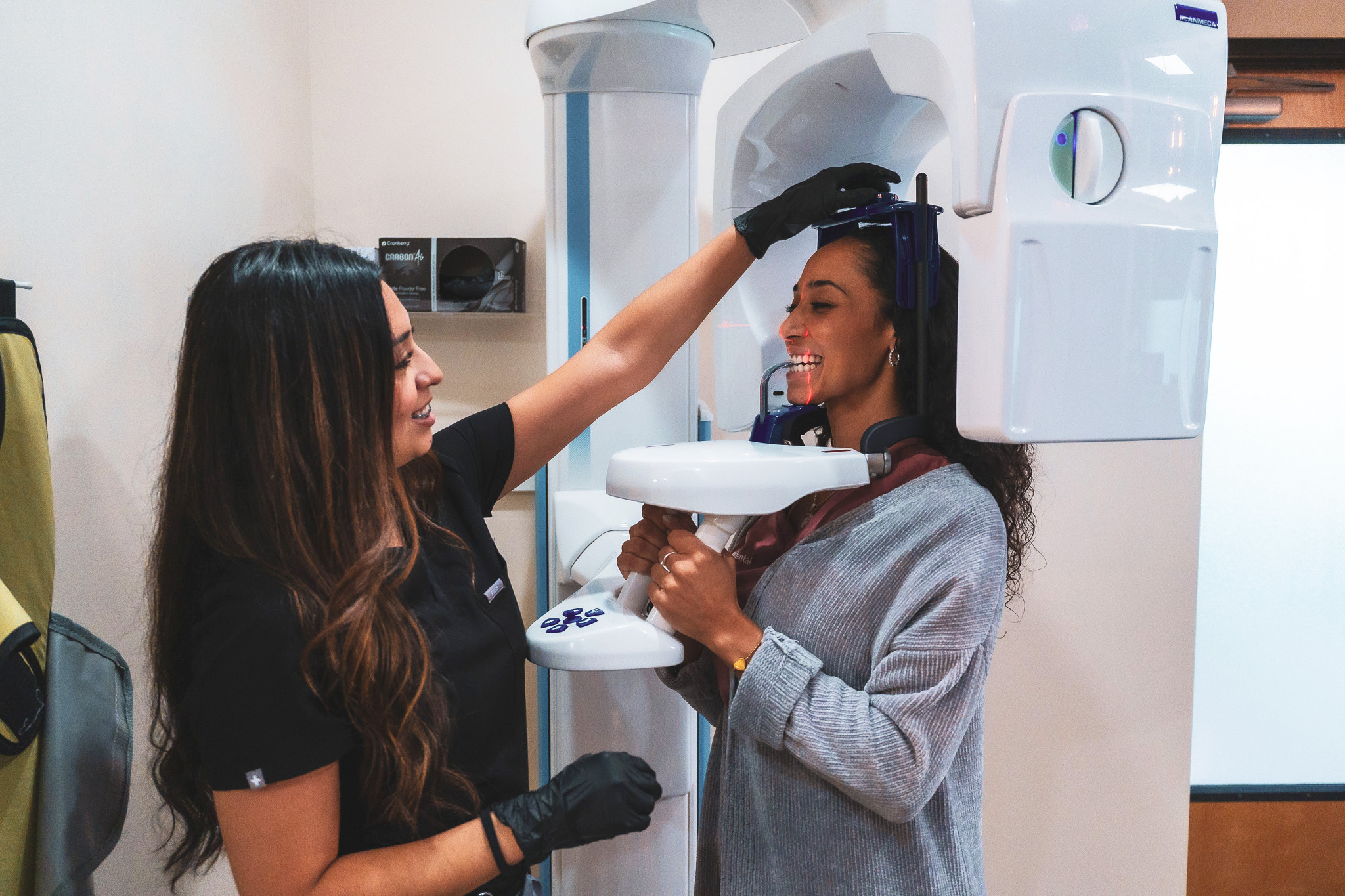
Receive a complimentary 3D scan ($300 value) when you proceed with implant care.

Speak with our experts about your smile goals from the comfort of your home.
Discuss your smile goals with our experts—choose an in-office visit or a convenient 15-minute phone consult.

Quick, affordable care when you need it most.
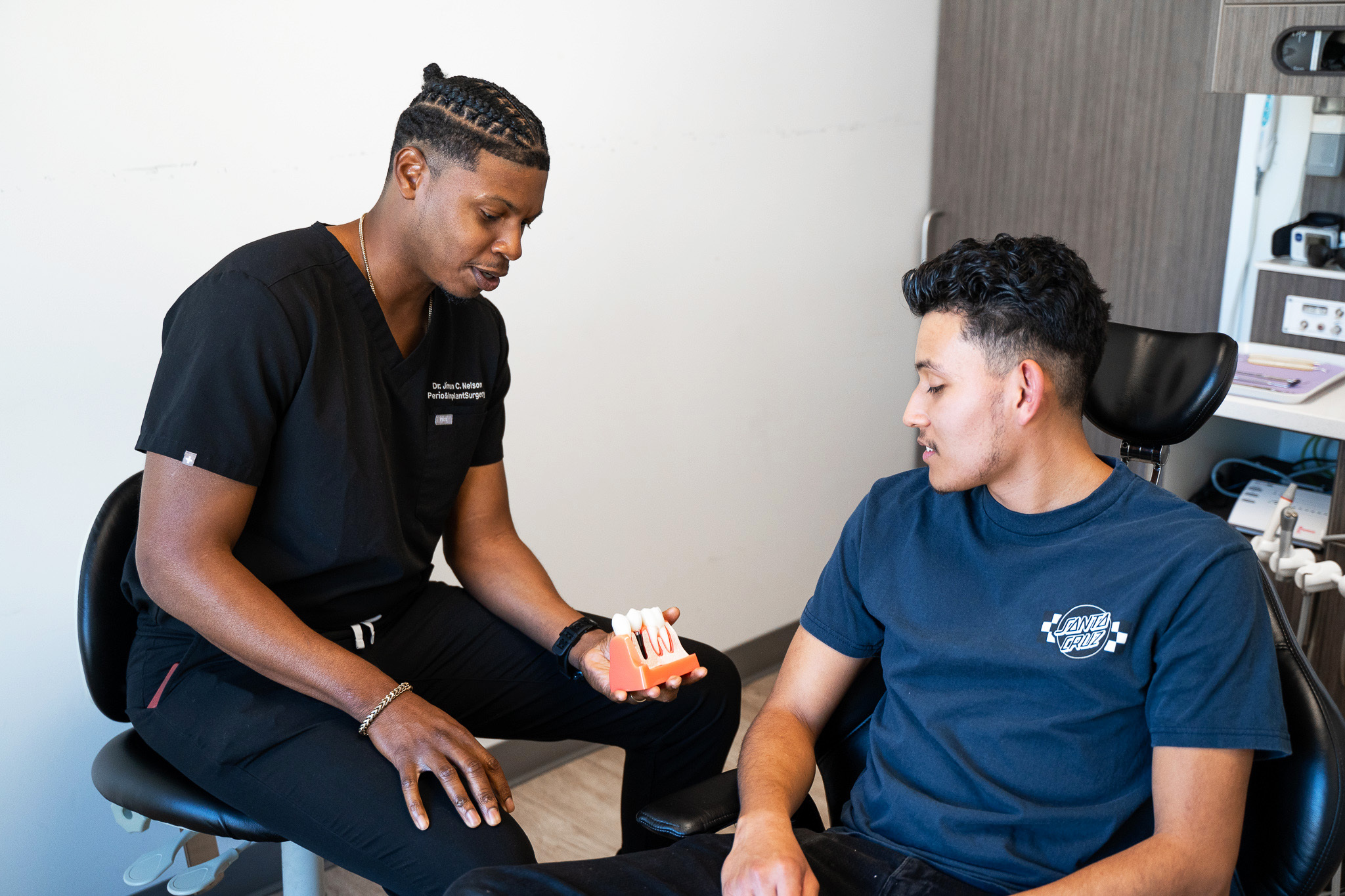
Have questions about implants? Get personalized guidance in a brief phone call.
