
Quality Dental Care For Houston Area Seniors
It’s important to stay on top of your oral health through all stages of life. However, quality dental care becomes even more important for seniors due to the increased risk of other health problems developing because of oral health complications.
Did you know that poor oral health can increase the risk of heart attacks, strokes, respiratory problems, diabetes, and much more? Practicing good dental hygiene and staying on top of your dental health needs are essential for living a healthy life. When it comes to getting quality dental care from a team you can trust, the highly experienced team at URBN Dental can help. Providing quality care to seniors in the greater Houston area, our team is here to help you achieve a smile you’ll love well into your golden years.
Today, we’re taking a closer look at how you can get the quality dental care you deserve through insurance coverage, financing options, senior rates, and more. Read on and explore how to get quality dental care that fits your budget.

Senior Dental Care at URBN Dental’s Houston Dental Clinics
URBN Dental provides expert senior dentistry services customized for patients 65 and older. Our dentists and dental hygienists provide patient-centered care, considering your oral health needs and dental care preferences. Our team gives you our full attention when you come for exams and treatments. We offer all the essential dental services available to treat oral health issues and prevent further issues from arising.
Routine Care And Cleaning
Routine dental care is essential for optimal oral health. Like all patients, seniors should plan to visit their dentist twice yearly for dental exams; however, those with dental issues may need to schedule additional checkups.
Dental exams include dental cleanings. During your cleaning, your dental hygienist will examine your teeth and note any concerns. Suppose your dental hygienist detects signs of cavities, excessive wear and tear, infections, gum disease, or other issues. In that case, they’ll alert your dentist to ensure you receive a prompt diagnosis and treatment.
Your dental hygienist uses tools to remove bacteria, plaque, and tartar from your mouth. Bacterial buildup in your mouth contributes to acid production, which attacks your teeth’s enamel and weakens it, increasing the risk of cavities and infections. Plaque also attacks enamel, increasing the risks of gum disease and infections.
Professional dental cleaning ensures all bacteria, plaque, and tartar are removed without damaging your teeth and gums. Your dental hygienist flosses and brushes your teeth with gritty toothpaste. After rinsing your mouth, your dental hygienist will administer a fluoride treatment, which helps prevent acid production and strengthens your teeth, preventing acid from eroding your tooth enamel.
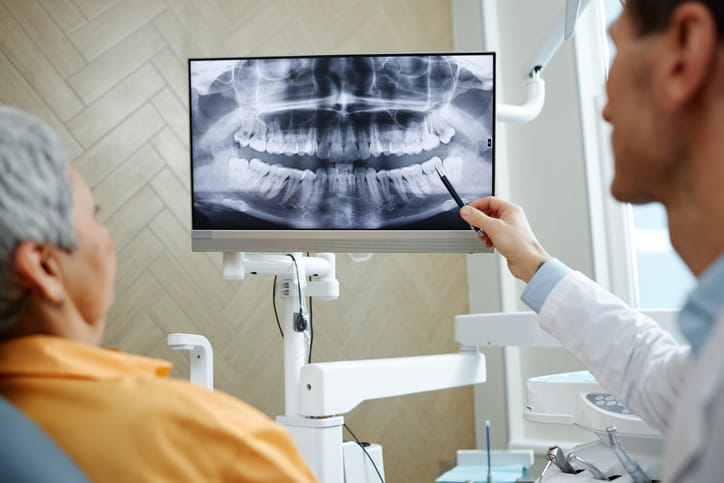
Your dental hygienist may take X-rays during your teeth cleaning. Having an oral cancer screening during your routine checkup is also common.
Cosmetic And Restorative Dentistry
Cosmetic and restorative dental services include the following:
- Treatments improving the appearance of your teeth and gums
- Treatments that restore the health of your teeth and gums
- Treatments that restore your oral health and improve your smile
Porcelain veneers are cosmetic appliances that conceal defects, such as cracks, without strengthening the tooth. You can achieve the same result with dental crowns, which conceal damage and strengthen the tooth; however, crowns are typically more expensive than porcelain veneers.
Fillings And Restorations
Fillings are both cosmetic and restorative. They’re put into cavities after your dentist removes decayed tissue. They eliminate unsightly cavities and blend in with your tooth, making it look whole and healthy. Fillings prevent infections from spreading and eliminate the pain caused by tooth decay.
Restorative dental appliances make your teeth look the way they’re supposed to. Restorative appliances and treatments include the following:
- Bridges
- Crowns
- Inlays and onlays
- Root canal therapy
Bridges are an option if you’re missing teeth. They conceal the gap left by the missing tooth and make it easier for you to chew food.
Crowns, inlays, and onlays strengthen damaged teeth while improving their appearance. Root canal therapy treats infected roots and prevents tooth loss from infection.
Dentures And Implants
Dental implants replace missing teeth. These artificial teeth connect to metal posts that are attached to your jawbone. They help prevent bone loss and improve your smile’s appearance and your ability to chew and talk.
Dentures are another appliance used to replace missing teeth. Dentures have artificial teeth and gums. They enhance your smile’s appearance and ensure you can speak and chew food. They’re less expensive than dental implants but wear down faster, so you must replace them.
Emergency Senior Dental Care
Dental emergencies often involve severe pain. Without prompt treatment, they can escalate, causing other oral and physical health issues. Dental emergencies include the following:
- Broken or lost dental appliances
- Broken teeth
- Dental abscess
- Dislodged tooth
- Partially dislodged tooth
- Soft tissue injury
URBN Dental’s senior dentistry services include emergency care for dental emergencies. Whether you need an appliance repaired, a dislodged tooth restored to its socket, or treatment for a soft tissue injury, we will assess your condition, identify the treatment options available, and provide the treatment you need.
Why Is Senior Dental Care Important?
As we get older, proper dental care becomes that much more important. If you or a loved one are entering their golden years, now is the time to take charge of dental health.
Through regular cleaning and exams, your dentist can determine if your oral health may indicate any signs of much larger health complications. Poor dental health in seniors has been proven to be linked to general health concerns like heart disease, diabetes, and even dementia. As bacteria grow in teeth and gums, they can seep into your bloodstream, creating larger, more complicated health issues.
Regular meetings with your dental hygienist and dentist can ensure your teeth and gum health is where it should be. If your dentist has any concerns, the appropriate treatments will be recommended, and a treatment plan will be drawn up.
Challenges Seniors Face In Getting Proper Dental Care
Seniors face many challenges that can prevent them from getting proper dental care, including:
- Accessibility: Seniors have a greater risk of falls and mobility issues as they age. Mobility issues can discourage seniors from visiting their dentist for oral care.
- Cost: Many seniors are on a fixed income, which can also affect their ability to afford dental care.
- Medications: Some medications seniors take cause dry mouth, which makes it easier for bacteria to damage their tooth enamel and cause tooth decay.
- Nutritional deficiencies: Seniors may struggle to get the nutrients they need for optimal health if they’re on a fixed income. Nutritional deficiencies increase the risks of cavities, gum disease, and tooth loss.
- Tissue damage: When the connective tissue in your mouth breaks down, it increases the risk of tooth loss.
Common Dental Concerns For Seniors
Seniors face unique dental concerns because aging can undermine their ability to care for their teeth and gums.
The Impact Of Aging On Dental Health
Seniors are more likely to suffer arthritis or have issues with fine motor skills because of loss of muscle mass and damage to their joints. Seniors are also at risk of developing severe health issues that affect their dental health, such as the following:
- Arthritis and joint damage: Arthritis and joint damage can make it more challenging for seniors to clean their teeth regularly and effectively.
- Cognitive decline: Seniors have a higher risk of cognitive decline or dementia, interfering with their memory and causing them to forget to perform routine tasks, such as brushing their teeth.
- Diabetes: As you age, you have a higher risk of developing diabetes. Diabetes can compromise your oral health by increasing the conditions that cause gum disease and cavities.